
If you are studying environmental science, biology, ecology, geography, or marine biology, you already know the theory. You can name the biomes, explain trophic cascades, and write essays about biodiversity loss. But there is a gap between knowing about conservation and actually doing it.
A conservation internship abroad puts you in the field. You are collecting data on great white sharks off the South African coast, tagging sea turtles on a Costa Rican beach at 3am, or monitoring coral bleaching in Indonesian waters. It is the kind of experience that transforms your CV and your understanding of what conservation work actually looks like.
This guide covers the five best destinations for conservation internships in 2026, how to tell a legitimate placement from glorified voluntourism, and how to fund the whole thing as a UK student.
Cape Town - The Big Five and Marine Conservation
Cape Town is one of the world's most biodiverse cities. It sits within the Cape Floristic Region, a UNESCO World Heritage Site with more plant species per square kilometre than almost anywhere on earth. The surrounding waters are home to great white sharks, African penguins, Cape fur seals, and southern right whales. And within a few hours' drive, you have access to reserves where the Big Five roam.
For conservation interns, Cape Town offers a remarkable range of fieldwork opportunities:
- Shark research - cage diving operations and research stations in Gansbaai and False Bay collect behavioural data, track migration patterns, and study the impact of fishing on shark populations
- African penguin conservation - the Boulders Beach colony and SANCCOB (Southern African Foundation for the Conservation of Coastal Birds) run rehabilitation and monitoring programmes for this endangered species
- Table Mountain biodiversity - invasive species removal, fire management research, and botanical surveys in one of the most studied ecosystems on the continent
- Marine protected area monitoring - data collection in Table Mountain National Park's marine reserves, including kelp forest surveys and intertidal zone assessments
Living costs in Cape Town are low by UK standards. Expect to spend between £450 and £750 per month on accommodation, food, and transport, depending on your lifestyle and neighbourhood. Most conservation interns share houses in Observatory, Woodstock, or Muizenberg.
The combination of marine and terrestrial conservation in one city is rare. You can be diving with sharks in the morning and doing botanical fieldwork on Table Mountain in the afternoon. It is also one of the most affordable destinations on this list.
Costa Rica - Tropical Biodiversity Hotspot
Costa Rica contains roughly 6% of the world's biodiversity in a country smaller than Scotland. Over a quarter of its land is protected, and it has more species of birds, reptiles, and amphibians per square kilometre than almost any other nation. For conservation students, it is a living laboratory.
Conservation internships in Costa Rica focus on several key areas:
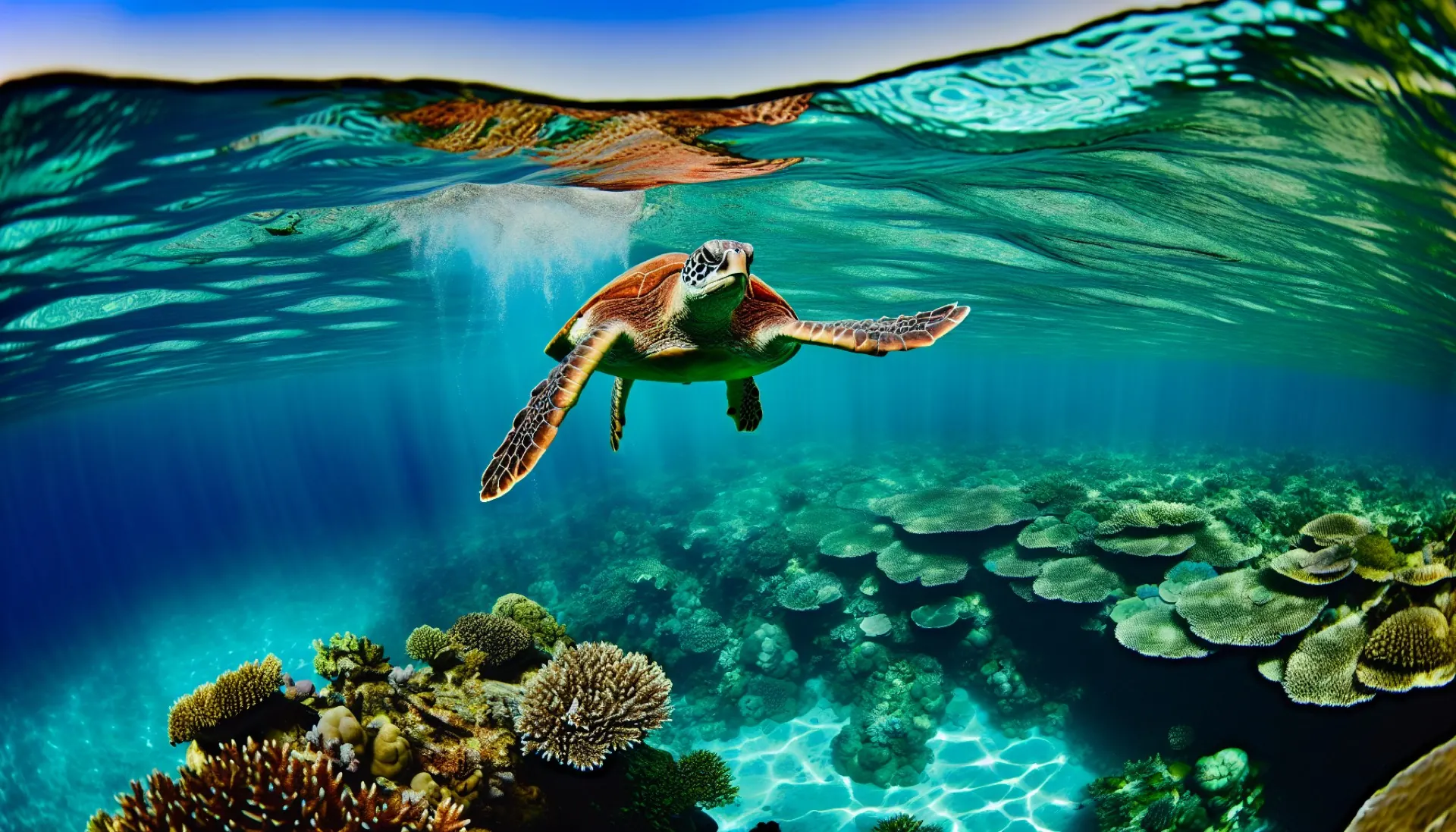
- Sea turtle nesting programmes - from March to October, interns patrol beaches at night to protect nesting olive ridley, leatherback, and green turtles. You record nesting data, relocate eggs to protected hatcheries, and release hatchlings. Tortuguero and the Osa Peninsula are the main sites
- Rainforest research stations - organisations like the Tropical Science Center and La Selva Biological Station run long-term monitoring projects. Interns assist with canopy surveys, camera trap analysis, species counts, and habitat assessments
- Marine biology - the Pacific coast offers coral reef monitoring, whale and dolphin surveys, and mangrove restoration. The Caribbean side has established reef research programmes around Cahuita National Park
- Wildlife rehabilitation - rescue centres across the country care for injured sloths, monkeys, and birds of prey, with interns assisting in veterinary care and release programmes
Costa Rica is a Group 2 destination for Turing Scheme funding. Living costs vary by location, but budget around £500 to £800 per month. Many conservation programmes include basic accommodation and meals as part of their placement fee.
Bali - Ocean Cleanup and Sustainable Tourism
Bali sits within the Coral Triangle, the most biodiverse marine region on the planet. But it also faces serious environmental challenges - plastic pollution, coral bleaching, overdevelopment, and the pressures of mass tourism. That combination makes it a fascinating place for conservation interns who want to work at the intersection of ecology and sustainability.
- Coral reef restoration - projects around Nusa Penida, Amed, and Pemuteran use biorock technology and coral gardening to rebuild damaged reefs. Interns learn to dive (or use existing PADI certification), transplant coral fragments, and monitor recovery
- Plastic pollution initiatives - organisations like Sungai Watch build river barriers to intercept plastic before it reaches the ocean. Interns help with barrier maintenance, waste audits, community education, and data collection
- Eco-tourism development - sustainable tourism projects across Bali work on responsible travel frameworks, community-based tourism models, and environmental impact assessments. Ideal for students who combine environmental and business interests
- Mangrove and wetland conservation - restoration projects in south Bali's mangrove forests focus on replanting, biodiversity monitoring, and community engagement
Bali is one of the most affordable destinations for UK students. You can live well on £400 to £600 per month, and Turing Scheme Group 2 funding covers a significant chunk of that. The warm climate and culture make it a popular choice, but choose your programme carefully - Bali has more than its share of voluntourism operators.
Nairobi - East African Wildlife and Community Conservation
Nairobi is the only capital city in the world with a national park inside its borders. Nairobi National Park is home to lions, leopards, rhinos, giraffes, and over 400 bird species, all within sight of the city skyline. Beyond the city, Kenya's conservation landscape stretches from the Maasai Mara to the coast, offering some of the most impactful wildlife internship opportunities anywhere.
- Wildlife monitoring and anti-poaching - research stations across Kenya's conservancies use GPS tracking, camera traps, and aerial surveys to monitor elephant, rhino, and predator populations. Interns contribute to data collection and analysis
- Community-based conservation - many of Kenya's most successful conservation programmes work with local Maasai and pastoral communities. Interns help develop human-wildlife conflict mitigation strategies, community education programmes, and sustainable livelihood projects
- Elephant and rhino rehabilitation - the David Sheldrick Wildlife Trust and other organisations in and around Nairobi rescue orphaned elephants and rhinos. Research-focused placements involve behavioural observation and reintroduction programme support
- Avian and grassland ecology - the Rift Valley lakes and highland grasslands support extraordinary bird diversity. Research internships focus on habitat assessment, migration tracking, and the impact of agricultural expansion
Nairobi itself is a modern, well-connected city with good infrastructure. Living costs are £400 to £700 per month. Many conservation placements are based outside the city at research camps, where accommodation and meals are typically included. It is a Group 2 Turing Scheme destination.
Bangkok - Urban Sustainability and Environmental Policy
Not all conservation work happens in the wilderness. Bangkok offers a different kind of environmental internship - one focused on policy, urban sustainability, and the NGO sector. If you are interested in how environmental change is managed at a systemic level, Thailand's capital is a compelling option.
- Environmental NGOs - Bangkok is home to regional offices of WWF, IUCN, Greenpeace Southeast Asia, and dozens of Thai environmental organisations. Interns work on campaigns, research reports, policy briefs, and community outreach
- Air and water pollution research - Bangkok's well-documented pollution challenges create opportunities for environmental science students to contribute to monitoring programmes, impact studies, and public health research
- Sustainable development - Thailand's government and NGO sector are actively working on climate adaptation, sustainable agriculture, and renewable energy policy. Internships involve research, stakeholder engagement, and project coordination
- Coastal and marine projects - within a few hours of Bangkok, the Gulf of Thailand and Andaman Sea coast host coral reef monitoring, mangrove restoration, and marine debris cleanup projects
Bangkok is extremely affordable. You can live comfortably on £350 to £550 per month, making it one of the best value destinations on this list. It is Group 2 for Turing Scheme funding. The city is also an excellent base for weekend trips to Thailand's national parks and marine reserves.
Voluntourism vs Real Conservation: How to Tell the Difference
This is the section most guides leave out. The conservation internship market includes plenty of programmes that look good on Instagram but do very little for the environment. Before you book anything, learn to spot the difference.
Red flags to watch for
- You can handle wild animals - legitimate conservation programmes do not let untrained volunteers cuddle lion cubs, walk with elephants, or pose with sedated animals. If a programme advertises this, walk away
- No minimum commitment - real research projects need consistency. If a programme accepts one-week volunteers with no screening, the work is probably not meaningful
- No qualified supervision - ask who leads the research. Are they published scientists? Do they have conservation credentials? Or are they gap year coordinators with a marketing budget?
- Vague impact claims - "help save the rainforest" is not a research methodology. Ask for specifics: what data are you collecting, who uses it, and what has the project published or achieved?
- The animals should not be there - sanctuaries that breed animals for volunteer interaction, or that keep wildlife that could be released, are part of the problem, not the solution
What makes a placement legitimate
- Affiliation with a university, government agency, or established conservation organisation
- Published research or documented conservation outcomes
- Structured training and supervision by qualified professionals
- Minimum placement length of at least 4 weeks
- Clear data collection protocols and ethical guidelines
- Genuine community involvement and local employment
Request the name of the lead researcher, examples of published work, and a detailed description of what you will be doing week by week. Any legitimate programme will be happy to provide this. If they deflect or give vague answers, that tells you everything you need to know.
How to Get Funded
Conservation internships abroad are rarely paid, but that does not mean you have to fund everything yourself. UK students have several funding routes available.
Turing Scheme
The Turing Scheme is the most significant funding source for UK students doing internships abroad. It provides living cost grants of £480 to £690 per month depending on your destination and placement length. All five destinations in this guide qualify, and environmental placements are well suited to Turing funding because they clearly demonstrate professional development and skills acquisition.
The 2026-27 academic year is the final year of the Turing Scheme before the UK transitions back to Erasmus+. If you are planning a conservation internship for this year, apply through your university now. Read our complete Turing Scheme guide for the step-by-step process.
University grants and departmental funding
Many UK universities offer their own funding for field placements. Environmental science, biology, and geography departments often have dedicated bursaries for fieldwork abroad. Check with your department and your university's careers or placements team. Common sources include:
- Departmental fieldwork bursaries - often £500 to £2,000 for placements that contribute to your dissertation or module assessment
- Faculty travel grants - competitive grants for international academic experiences
- Hardship funds - most universities have discretionary funds for students facing financial barriers to academic opportunities
- Alumni-funded scholarships - some departments have endowed funds specifically for international placements
Turing Scheme funding can typically be combined with university grants and personal savings. A 12-week conservation internship in Cape Town, for example, might cost £2,000 to £2,500 in total living expenses. Between Turing funding (£1,440) and a departmental bursary (£500 to £1,000), you could cover most or all of that.
Frequently Asked Questions
Is conservation internship work abroad paid?
Most conservation internships abroad are unpaid or offer a small stipend. Some programmes charge a fee that covers accommodation, meals, and project costs. However, UK students can offset costs through Turing Scheme funding (up to £690/month depending on destination) or university grants. A few research-focused placements at larger NGOs do offer modest stipends, particularly for longer commitments of 3 months or more.
Do I need a science degree to do a conservation internship abroad?
Not always. While many conservation internships prefer students studying environmental science, biology, ecology, geography, or marine biology, plenty of programmes welcome students from any discipline. Roles in conservation education, community outreach, sustainable tourism, and environmental policy are open to students from social sciences, business, communications, and other fields. What matters most is genuine interest and willingness to do physical outdoor work.
How long do conservation internships abroad typically last?
Conservation internships abroad typically range from 4 weeks to 6 months. Shorter placements of 4 to 8 weeks are common during summer breaks, while longer placements of 3 to 6 months are available for students on gap years or sandwich year programmes. Longer placements generally offer more meaningful involvement in research projects and better chances of contributing to published findings.
What is the difference between a conservation internship and voluntourism?
A legitimate conservation internship involves structured learning, supervision by qualified researchers or conservationists, and contributions to ongoing scientific or community projects. You should receive training, have clear objectives, and produce work that has genuine value. Voluntourism, by contrast, often involves short-term, unskilled activities designed more for the participant's experience than for conservation outcomes. Red flags include no qualification requirements, very short commitments (under 2 weeks), and programmes that let you handle wild animals for photo opportunities.
Can I get university credit for a conservation internship abroad?
Yes, many UK universities offer academic credit for approved internships abroad, particularly if the placement aligns with your degree programme. Environmental science, biology, geography, and marine biology departments often have established frameworks for this. You will usually need to submit a reflective report or portfolio alongside your placement. Check with your department's placements coordinator early, as approval processes can take several weeks.
What qualifications or skills do I need for a wildlife conservation internship?
Requirements vary by programme, but most conservation internships expect a reasonable level of physical fitness (you will be outdoors in challenging conditions), basic data collection skills, and a genuine commitment to conservation. Useful qualifications include a PADI diving certificate for marine placements, a valid driving licence, first aid training, and GIS or data analysis skills. Most programmes provide on-site training for specific research methodologies, so you do not need to arrive as an expert.
Ready to find your conservation internship?
We match UK students with verified conservation and environmental placements in 30+ destinations. Tell us what you are looking for and we will find the right fit.
Start Your Application